A well-designed built in wardrobe should support daily routines and make storage feel effortless. When planning falls short, the result is often ongoing frustration rather than convenience. At Silva Wardrobe, we regularly see Sydney homeowners fixing avoidable design mistakes in built in wardrobes that could have been resolved with better planning.
This guide explains the most common design issues that waste space and reduce usability, and what to consider before anything is fixed to the wall.
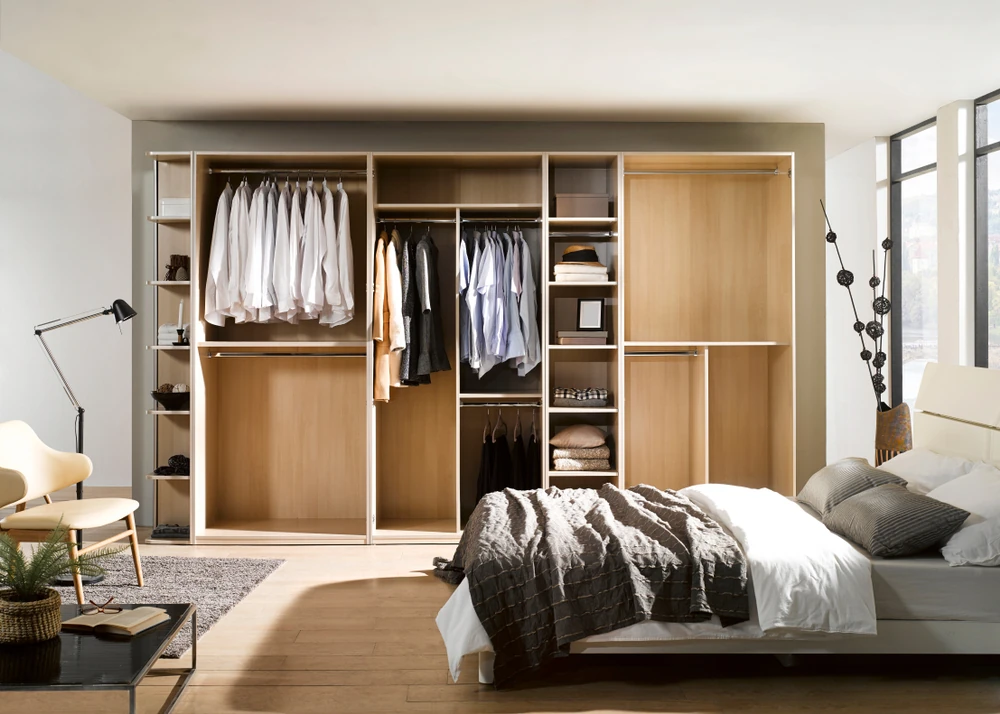
Layout planning determines whether a wardrobe feels generous and effortless to use or cramped and inefficient. Even with ample wall length or ceiling height, poor internal configuration can prevent the space from working to its full potential. These issues are rarely obvious on paper but become frustratingly clear once the wardrobe is in daily use.
Wardrobes feel “too small” not because of room size, but because the layout fails to match how people actually store and access their belongings. Hanging zones, shelving and drawers are often misbalanced or poorly positioned. Time and again, we see the same layout mistakes repeated across homes of all sizes and styles, leading to wasted space that could have been avoided with better planning.
Many wardrobes are still designed around the assumption that most clothing needs to be hung, with long rails dominating the internal layout. While this may suit a small portion of items, it rarely reflects how people actually store and wear their clothes day to day. The result is a wardrobe that looks generous but functions poorly once it is filled. Space exists, but it is not allocated where it is most useful.
In practice, excessive full-height hanging leaves large, unusable gaps beneath shirts and jackets. Folded clothing, shoes, bags and accessories are then forced into overcrowded drawers or stacked awkwardly on minimal shelving. A better approach balances short hanging with generous, adjustable shelves and a limited section for long garments. When the internal layout mirrors real clothing habits, storage capacity increases without increasing the wardrobe’s overall size.
Ceiling height is one of the most underused assets in wardrobe design, particularly in homes with standard or higher-than-average ceilings. Many wardrobes stop well short of the ceiling for aesthetic reasons, leaving a strip of dead space that serves no functional purpose. Eventually, this unused volume becomes a missed opportunity for meaningful storage.
Designing up to the ceiling allows the wardrobe to work as a full vertical system rather than a series of low cabinets. Upper shelves can be dedicated to seasonal clothing, luggage and infrequently used items, keeping everyday storage clear and accessible. With thoughtful spacing and optional pull-down mechanisms, even higher sections remain practical. Treating the wardrobe as a floor-to-ceiling volume improves storage efficiency without compromising visual balance.
A wardrobe designed around fixed internal dimensions may feel sufficient at first, but it rarely stays that way. Clothing habits change, lifestyles evolve and storage priorities shift over time. When shelves and rails are locked into place, the wardrobe becomes misaligned with how it is actually used.
Rigid interiors force compromises, such as squeezing longer garments into short hanging zones or wasting shelf depth on poorly stacked items. Designing for adjustability allows the wardrobe to evolve without structural changes. Moveable shelves, repositionable rails and flexible drawer modules ensure the internal layout can be refined as needs change. This adaptability keeps the wardrobe functional long after installation, protecting usability and long-term value.
As professionals, we often meet clients whose existing wardrobes look polished on the surface but fail in daily use. The issues are rarely obvious at first glance and usually only reveal themselves once the wardrobe becomes part of everyday routines. Doors clash, drawers feel awkward and storage zones don’t align with how the space is actually used. What appears visually successful can still be functionally flawed.
A wardrobe that is difficult to use quickly becomes a daily frustration, no matter how refined the finishes may be. Small design decisions have an outsized impact on comfort, accessibility and efficiency. When these details are overlooked, the wardrobe works against the user rather than supporting them. The following design choices are among the most common reasons built in wardrobes fall short in real-world use.
Door configuration has a direct impact on how usable a wardrobe feels, yet it is often chosen based on appearance alone. Hinged doors that collide with walls, beds or each other can prevent sections of the wardrobe from opening fully. When this happens, storage zones may exist on paper but remain awkward or impractical to access in daily use. As time passes, these blocked areas become wasted space despite contributing to the overall cost.
Sliding doors can also create access issues when they are not aligned with the internal layout. Drawer stacks or hanging sections may sit permanently behind a door panel, forcing constant door movement just to reach everyday items. Door height, hinge quality and swing direction all influence long-term performance and ease of use. A functional door layout begins with understanding room circulation, furniture placement and clearances before any door style is selected.
Deep shelving often appears efficient in drawings, but in practice, it reduces visibility and accessibility. Items pushed to the back are quickly forgotten, leading to cluttered fronts and underused storage behind. Clothes become harder to stack neatly, and retrieving items requires unnecessary reaching and reshuffling. What seems like added capacity can actually reduce usable storage.
Corners present similar challenges when they are treated as simple extensions of straight shelving. Reaching into dark, tight spaces makes it difficult to see what is stored and can be physically uncomfortable. Poorly planned corners often become dumping grounds rather than functional zones. Thoughtful depth control and corner solutions help bring items forward, ensuring storage remains visible, reachable and genuinely usable.
Lighting is frequently overlooked in wardrobe design, yet it has a major influence on everyday usability. Without internal lighting, wardrobes become shadowed spaces where colours are difficult to distinguish and items are easily missed. This is especially problematic in deep wardrobes or rooms with limited natural light. A lack of lighting turns routine tasks like choosing clothes into a frustrating process.
Relying on room lighting alone is rarely sufficient, as the user’s body blocks light when standing in front of the wardrobe. Integrated lighting placed at the right heights improves visibility across shelves, drawers and hanging sections. When planned early, lighting can be discreet, energy-efficient and highly effective. A well-lit wardrobe allows you to see everything clearly at a glance, making daily use smoother and more enjoyable.

Some of the most costly wardrobe issues do not come from poor workmanship but from decisions made too early or too quickly in the planning stage. These mistakes often go unnoticed during design discussions, only becoming obvious months or years after installation. By then, the wardrobe is already fixed in place, making changes difficult and expensive. What seemed like minor oversights can have long-term consequences.
Effective wardrobe planning requires looking beyond immediate needs and visual appeal. Factors such as future storage requirements, room changes and how the space will be used over time are often underestimated. When planning focuses only on the present, wardrobes can quickly feel outdated or restrictive. Understanding these common planning mistakes helps ensure the final design remains functional, flexible and satisfying well into the future.
One common regret is that a new wardrobe looks immaculate but struggles with real-world storage. Early designs often focus on everyday clothing while overlooking the bulky, awkward or seasonal items that still need a home. As soon as those items are reintroduced, the wardrobe begins to feel cluttered and constrained. What felt generous on installation quickly becomes inefficient.
Without deliberate planning, items such as coats, suitcases and spare bedding end up compromising daily storage zones. Long hanging gets shortened, shelves become overloaded and clutter migrates into spaces meant for easy access. In our design process, we map storage across the entire year, not just what is currently in use. This typically includes:
Planning for these items upfront prevents chaos later and keeps everyday storage working as intended.
Finishes are often chosen under ideal showroom conditions, where lighting and presentation mask how materials behave in daily life. While many options look striking at first, some are poorly suited to busy households or high-use areas. The result is a wardrobe that demands constant maintenance or shows wear far sooner than expected. Aesthetic appeal alone is rarely a reliable guide to long-term satisfaction.
Durability becomes especially important once the wardrobe is used multiple times a day. High-gloss surfaces can highlight fingerprints and scratches, while very dark matt finishes tend to show dust and lint. Internally, shelves that lack sufficient thickness or reinforcement may bow under the weight of folded clothing. Selecting finishes based on lifestyle, cleaning habits and load requirements ensures the wardrobe remains attractive and functional.
Even a well-built wardrobe can fail if it is not designed around accurate measurements and realistic clearances. Issues such as doors colliding with furniture, drawers that cannot open fully or rails positioned too high to reach all stem from poor spatial planning. These problems are often invisible in drawings but immediately obvious in daily use. Once installed, they are difficult and costly to correct.
Effective planning starts with understanding the room as it actually functions, not as an empty shell. Furniture placement, walking paths, power points, windows and door swings all influence how a wardrobe should be configured. Equal attention must be paid to reachability, ensuring shelves and rails are positioned for comfortable access. Designing around real clearances ensures every part of the wardrobe is usable, not just theoretically present.
A built in wardrobe should support your daily routine, not introduce ongoing frustration or compromise. Most design mistakes are avoidable when the design is based on how you actually live rather than a generic template. At Silva Wardrobe, our focus is on resolving these details before anything is built, so the finished wardrobe adds lasting function, order and value to your home. If you want a built in that is tailored, durable and genuinely easy to live with, working with a specialist who plans for the long term makes all the difference.
Here at Silva Wardrobes, we believe that you shouldn't have to compromise on quality when you’re on a budget. We offer a wide range of built in wardrobe designs in varying materials and finishes, so you can get the perfect built in or walk in wardrobe for your home no matter what the budget you're working with.
Proudly Australian owned and made. All our work is carried out locally in Sydney with only the highest level of craftsmanship and comes with a lifetime guarantee.

Contact us for a free measure and quote in the Sydney metropolitan area. We send out a qualified tradesman, not just a salesman.

We then create all the components to your perfect built in wardrobe to exact specifications using only the highest quality materials

A wardrobe technician will then deliver and install your wardrobe ensuring you are 100% happy with the job before they leave.


