A built-in wardrobe can do much more than provide storage. When it is designed well, it can help a bedroom feel more settled, more cohesive and easier to use every day. Details such as door style, finish, hardware, internal layout and lighting all influence whether a wardrobe feels basic or more thoughtfully resolved. With insight from Silva Wardrobe Co., this article explores the design choices that can make custom wardrobes in Sydney feel more refined and function more effectively over time.
From the door profile and surface finish through to shelving, drawers and lighting, each element shapes how the wardrobe feels in daily use and how well it sits within the room. In many cases, the wardrobes that look the most considered are not the ones with the most features, but the ones where the proportions are right, the materials are consistent and the storage has been planned properly.
Door style is usually the first thing that influences whether a built-in wardrobe feels simple and well resolved or standard and forgettable. The profile, finish and hardware all work together to shape the overall impression. In many bedrooms, small improvements in these areas can have more impact than increasing the size of the wardrobe itself.
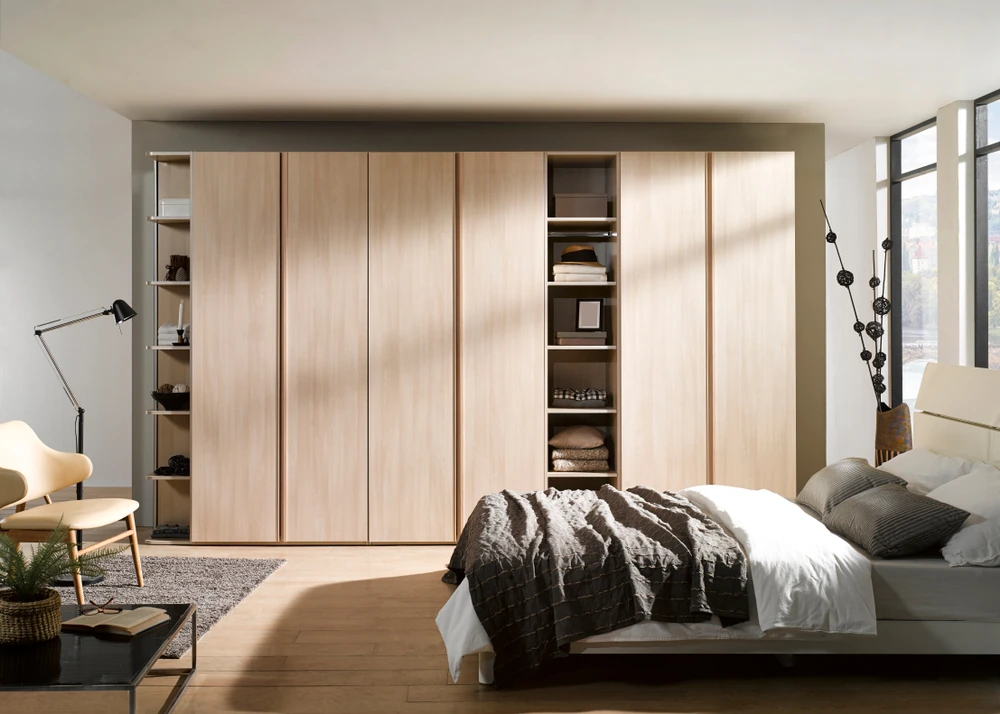
For contemporary homes, flat panel doors with clean shadow lines create a calm, architectural look. Handleless designs that use finger pulls or concealed aluminium channels help the wardrobe read more like integrated joinery than a standard cabinet run. This approach can work especially well in apartments and narrower rooms because it keeps the façade visually quiet.
In more classic or coastal interiors, a simple shaker profile with slim rails often feels more balanced than heavily detailed doors. The key is restraint. Wide frames or ornate routing can start to look dated quite quickly, while a narrower frame with sharper detailing usually feels more current and tailored.
Sliding doors can look especially clean when they run full height, use minimal framing and sit neatly within the opening. Mirrored sliding doors also tend to look more refined when the mirror is framed in a slim powder-coated aluminium rather than a bulky silver surround. Hinged doors can work very well too, particularly in larger bedrooms, but they rely on accurate alignment and consistent gaps to look well made.
In many interiors, matte and super-matte finishes tend to feel calmer and more resolved than high gloss. Soft-touch laminates in white, warm grey, taupe or stone tones can give the wardrobe a more architectural look while also being practical to maintain. For a warmer finish, timber-look boards in oak, walnut or ash tones can work well when the grain is subtle and repeated consistently.
Two-tone combinations can also work well, but usually only when they are used with discipline. A light exterior with a contrasting timber-look interior can create depth without making the wardrobe feel busy. The same applies to darker framing around lighter central panels. The effect is usually strongest when there are only one or two clear material choices rather than multiple competing colours and grains.
Durability matters as much as appearance. In Sydney conditions, where humidity can affect interior materials over time, quality board and edging help prevent swelling, lifting or obvious wear around door edges. Smooth edge-banding and well-finished surfaces often make a bigger difference to the final result than bold colours or feature panels.
Hardware has a strong influence on how a wardrobe feels in use. Soft-close hinges and runners help doors and drawers move quietly and smoothly, which immediately makes the joinery feel more considered. Full-length handles in finishes such as brushed nickel, black or satin brass can also help create cleaner vertical lines across a run of doors.
For a more minimal look, concealed finger pulls or routed edge pulls often work well, especially on flat panel doors. Smaller knobs suit more traditional styles, but they need to be chosen carefully so they relate well to the rest of the room and do not make the wardrobe feel overly decorative.
The placement of hardware matters just as much as the hardware itself. Inconsistent handle height or misalignment can make even expensive materials look ordinary. A well-finished wardrobe usually keeps visible fixings to a minimum and pays close attention to spacing, alignment and overall consistency.
A built-in wardrobe usually feels more resolved when the interior has been planned as carefully as the exterior. The internal layout affects not only how much can be stored, but also how easy the wardrobe is to use and keep organised. A thoughtful interior often makes the wardrobe feel more tailored, even when the outer design is relatively simple.
In Sydney homes where bedroom space is often limited, good internal planning can also make a noticeable difference to how hard the wardrobe works day to day.
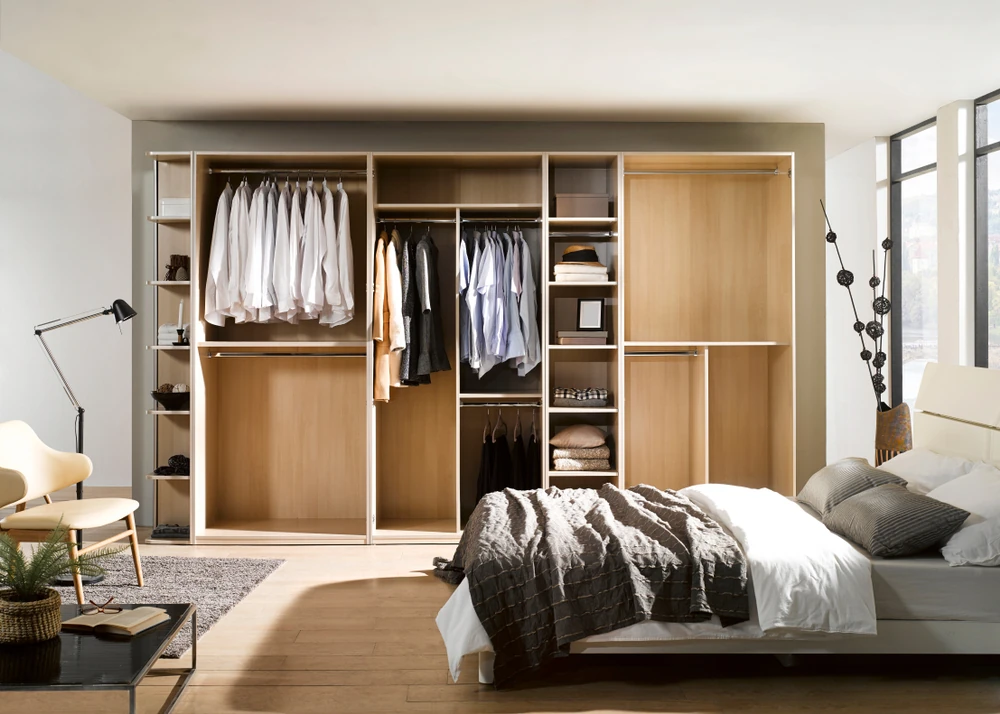
A single rail across the top of a wardrobe is often the easiest layout to specify, but it rarely makes the best use of the space. A more considered arrangement usually separates hanging into different zones. Double hanging can work well for shirts, jackets and shorter items, while a full-height section can be reserved for dresses, coats and longer garments.
Shelving is most useful when it is adjustable and spaced with actual clothing types in mind. Narrower shelves can suit folded T-shirts, activewear or smaller items, while deeper shelves are often better for knitwear, handbags or bulkier pieces. When shelf spacing can be adjusted over time, the wardrobe is easier to adapt as storage needs change.
In wardrobes with higher ceilings, a pull-down hanging rail can be a practical addition, particularly where overhead space would otherwise go unused. The value of these features usually comes from solving a real storage problem rather than simply adding more fittings.
Internal drawers can make a wardrobe feel much more organised when they are planned around what actually needs to be stored. Shallow drawers placed higher up can work well for accessories, undergarments and smaller clothing items, while deeper lower drawers are better suited to knitwear, denim or bulkier pieces.
Full-extension runners make a noticeable difference because they allow the whole drawer to be accessed more easily. Soft-close operation also improves the day-to-day feel of the wardrobe and reduces wear over time.
Drawer inserts can be useful too, especially for jewellery, belts, ties, sunglasses or smaller accessories, but they work best when they are consistent with the wardrobe interior rather than looking like a mix of unrelated organisers. Matching dividers or inserts often create a cleaner overall result than off-the-shelf plastic trays.
Internal features tend to work best when they are chosen selectively. Pull-out trouser racks, angled shoe shelves, pull-out mirrors and dedicated accessory sections can all improve the usability of a wardrobe, but only when they match the way the space will actually be used.
Lighting also has a role here. Integrated LED strip lighting above shelves, beside hanging sections or near drawers can improve visibility and make the wardrobe easier to navigate, especially in deeper or darker sections. Sensor lighting that switches on when the doors are opened can be particularly useful in built-ins where overhead bedroom lighting does not reach the back clearly.
A wardrobe interior usually feels more complete when the finishes are consistent, the hardware is reliable and each internal feature has a clear purpose. That tends to create a more useful and better organised storage space than one filled with fittings that look impressive on paper but add little day-to-day value.
Lighting and material selection often determine whether a built-in wardrobe feels simply functional or more thoughtfully finished. The right combination can make the wardrobe sit more naturally within the bedroom and help even a compact built-in feel better resolved.
These choices are especially important because wardrobes are used both visually and physically. They need to look consistent in the room, but they also need to feel solid, practical and easy to live with.
Integrated lighting is one of the details that can make a wardrobe feel more complete. LED strip lighting recessed into overhead panels or vertical side sections can provide a soft, even light across hanging areas and shelves without introducing glare or visible fittings.
Warm white lighting in the 2700K to 3000K range usually works well in bedrooms because it gives a softer effect than cooler light. It also helps fabrics, finishes and timber tones look more natural. Sensor-activated lighting can further improve usability by removing the need for separate switches and making the wardrobe easier to access in the early morning or evening.
Placement matters. Lighting positioned at the front of shelves usually works better than lighting at the back because it reduces shadows. Vertical strips near hanging sections can also improve visibility, particularly in darker interiors or wardrobes with deeper shelving.
Well-integrated lighting should feel supportive rather than attention-seeking. The goal is to improve access and highlight materials gently, not make the wardrobe feel overly staged.
Material selection shapes the overall impression of the wardrobe every time it is opened or closed. A more refined result usually comes from consistency in colour, texture and finish rather than from trying to include too many feature elements at once.
For contemporary interiors, matte laminates or melamine boards in warm neutrals often provide a strong base. They tend to feel quieter and more adaptable than high-gloss finishes, and they are often easier to maintain. Timber-look boards can also introduce warmth, especially in coastal, modern or transitional interiors, but they tend to work best when the grain pattern is realistic and not overly repetitive.
The interior finish matters too. A slightly warmer internal board, such as a soft timber tone or a muted darker neutral, can make the inside of the wardrobe feel more considered than plain white alone. When paired with well-placed lighting, these finishes can improve both the look and the usability of the storage space.
Edges, joins and trim are also worth paying attention to. Smooth, colour-matched edging usually helps the wardrobe feel more complete, while exposed joins, rough transitions or inconsistent finishes tend to make the overall result feel less resolved.
Simplicity and proportion are often what make a built-in wardrobe feel more refined. Many of the wardrobes that look the most expensive are not the ones with the most decoration, but the ones where the lines are clean, the sections are balanced and every detail feels intentional.
This is often what separates a wardrobe that feels integrated into the room from one that feels like a later addition.
A simpler façade usually feels calmer and more resolved. This can come from plain panel doors, low-detail shaker fronts or a restrained handle choice that does not interrupt the door surface too much. Large uninterrupted sections often help the wardrobe feel more like part of the room’s architecture rather than a collection of cupboard doors.
Mirrored doors can follow the same principle. A full-height mirror with a clean frame usually looks more considered than multiple smaller mirrored inserts divided by heavy borders. The same applies to colour. One main finish, perhaps supported by a subtle internal contrast, often feels more cohesive than a wardrobe with several competing materials.
When the front of the wardrobe is visually quieter, the room itself often feels larger and more settled.
A wardrobe can have beautiful materials and still feel awkward if the proportions are off. Door widths, drawer heights, reveal lines and the overall relationship between the wardrobe and the wall all contribute to how finished the joinery feels.
In many bedrooms, fewer wider doors can look more tailored than a run of narrow doors with too many vertical breaks. Height matters too. Wardrobes that run close to the ceiling often feel more integrated than those that stop low and leave an obvious dust-collecting gap above.
The same principle applies inside the wardrobe. Hanging sections, drawers and shelves usually feel more considered when their sizes relate clearly to what they are designed to hold. Random shelf heights or poorly judged drawer depths can make the interior feel improvised even if the external finish is strong.
One of the easiest ways to make a wardrobe look less resolved is to overload it with too many design ideas at once. Multiple feature materials, several handle styles or too many internal gadgets can make the overall result feel busy rather than well considered.
In many cases, choosing fewer features and executing them properly creates a better outcome. A carefully selected handle, one warm timber accent, a practical shoe section and a well-planned drawer layout often feel more tailored than a wardrobe filled with extras that are rarely used.
This kind of restraint also tends to age better. Simple finishes, balanced proportions and genuinely useful storage details are usually easier to live with over time than trend-driven features that draw attention to themselves.
A built-in wardrobe usually looks more refined when the design is consistent, well proportioned and easy to use. Door style, finish, hardware, internal planning and lighting all contribute to that result, but the strongest wardrobes often rely more on clarity and restraint than on excess.
When each detail has a clear purpose and the layout suits the way the space is actually used, the wardrobe feels more considered and better integrated into the room. In that sense, a well-designed built-in wardrobe is not just about appearance. It is about creating storage that works smoothly, looks settled in the space and continues to feel right over time.
Here at Silva Wardrobes, we believe that you shouldn't have to compromise on quality when you’re on a budget. We offer a wide range of built in wardrobe designs in varying materials and finishes, so you can get the perfect built in or walk in wardrobe for your home no matter what the budget you're working with.
Proudly Australian owned and made. All our work is carried out locally in Sydney with only the highest level of craftsmanship and comes with a lifetime guarantee.

Contact us for a free measure and quote in the Sydney metropolitan area. We send out a qualified tradesman, not just a salesman.

We then create all the components to your perfect built in wardrobe to exact specifications using only the highest quality materials

A wardrobe technician will then deliver and install your wardrobe ensuring you are 100% happy with the job before they leave.


