Creating a layout that makes clothing easy to find and store takes more than just selecting doors and finishes. Our team at Silva Wardrobe often sees homes with generous rails and shelves that still feel cramped or disorganised. A well-planned layout can change how a wardrobe in Sydney feels and can reduce clutter caused by cramped spaces and poorly placed storage components that do not suit real clothing habits. Many designs for custom wardrobes in Sydney focus on aesthetics and leave little attention for storage zones and the different categories of clothing that need space, so the end result may look nice but will not perform well for daily use.
Silva Wardrobe addresses wardrobe planning from the user side and helps establish strong layouts that focus on form and function. We make sure that each build prioritises the needs of the wardrobe owner. A wardrobe that works well is one that matches clothing types with proper hanging lengths while offering shelving for folded garments, as well as including space for accessories while using vertical gaps for meaningful storage rather than visual emptiness. When everything has a place and the components support the actual habits of the user, even modest wardrobe footprints can feel efficient and surprisingly spacious.
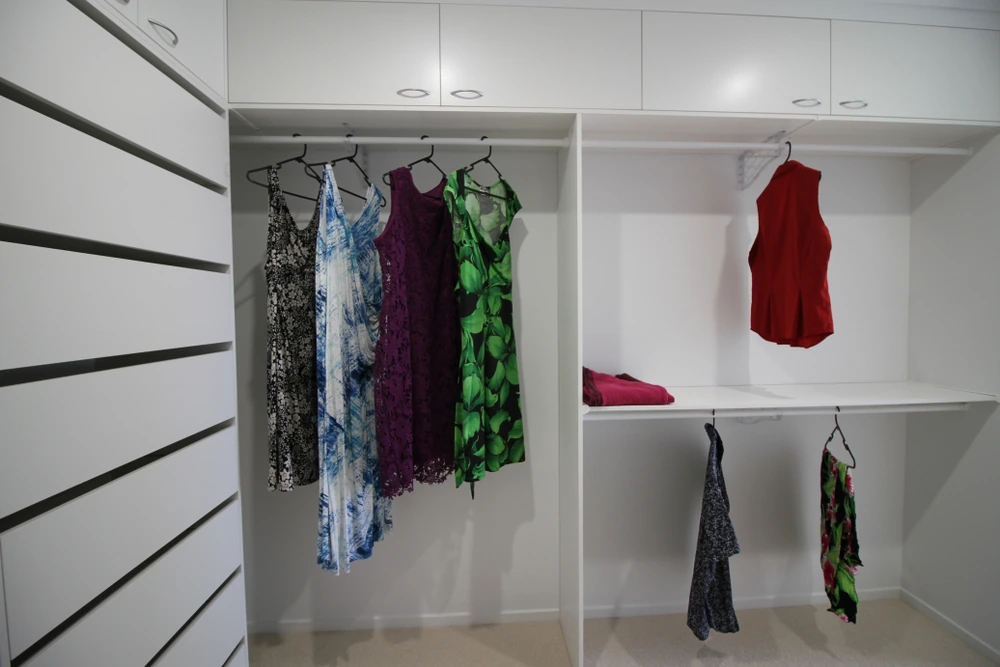
Internal layouts affect how much clothing can be stored in a neat and practical manner, and poor decisions here can reduce how usable the wardrobe feels even if the shell is large. Many layouts include too much open space or oversized rails that are not aligned with the types of garments that need storing. These mistakes lead to piles of folded clothes stacked too high or rails overloaded with long items. A balanced internal plan can distribute storage types properly to create a more organised wardrobe with less wasted area.
Oversupplying rails while undersupplying shelves leads to crushed garments or stacked piles on the floor and wasted vertical space that could be storing folded clothing. Long hanging sections often take up more room than needed and do not cater for shirts and folded items that prefer shallow, adjustable shelves. Without shelf space for knitwear or pants and bags, the wardrobe becomes a place for wrinkled piles and awkward stacking that wastes depth and height.
A wardrobe with an excess of rails loses versatility and reduces overall storage density, making the space feel restrictive and underused. Balancing rails with shelving creates a flexible mix that handles different clothing categories more effectively.
Shelves that are locked at awkward heights force inefficient stacking and do not support the depth or height required for certain garments and accessories. When heights cannot be adjusted, shelf loads are dictated by the set configuration rather than the needs of the user. This leads to wasted negative space and messy piles. Adjustable heights allow shelves to sit closer together, reducing the height between stacks and making the entire vertical section more productive.
When shelf heights match the clothing stored on them, it becomes easier to maintain order and reduce clutter. Adjustable shelving systems are a simple fix that can significantly improve storage efficiency.
The area above standard reach height is often left empty or capped with a fixed panel, even though it offers valuable real estate for seasonal or low-use storage. Many wardrobes use only the middle zone and overlook the top quarter of available height, creating a layout that wastes some of the easiest volume to utilise for long-term storage bins and bulky items. With proper zoning, this upper region can support luggage or special occasion clothing and long-term items that do not need daily access.
Vertical space becomes a powerful asset when used wisely. By extending storage upward, the wardrobe can carry more items without feeling crowded. Simple additions at the top level create a long-term improvement in storage density and function.
Access plays a major role in how comfortable a wardrobe feels to use, and many frustrations come from deep shelving and dark corners. A wardrobe that forces users to shuffle around doors or reach into shadowed spaces feels inconvenient even if the internal storage volume is high. Lighting and movement paths are often overlooked during planning, yet they dictate how intuitive the wardrobe feels once clothing is in place. Considering access during design prevents daily frustrations and keeps storage zones open and usable.
Swing doors that open into the walking path can clash with nearby walls and beds or shelving, making it difficult to stand close enough to the wardrobe to access clothing comfortably. Some sliding systems reduce visibility by hiding part of the wardrobe at any given time and forcing users to move panels frequently while searching for items. Door selection affects both access and visibility, shaping how easy it is to navigate shelves and rails day to day.
Choosing a door system that matches the available room and internal storage layout prevents blocked access and improves usability. Good door planning keeps storage visible and reachable during daily use.
Wide and deep shelves may seem generous at first, but they encourage stacking behind stacks and create dark zones that hide clothing and accessories. Items pushed to the back are often forgotten and become difficult to retrieve without unpacking the front layer, leading to a messy and inefficient wardrobe. Corner cavities can become dead zones if not given purpose-driven components that bring items forward into the light.
Reducing depth or adding pull-out mechanisms keeps storage functional and prevents lost clothing from accumulating over time. Corner and depth management can significantly influence how tidy and accessible the wardrobe feels.
Wardrobes are often installed with minim al lighting and rely on room lighting that casts shadows across shelves and rails. This lack of targeted light makes clothing difficult to see and encourages clutter as users struggle to find items at the back of shelves or under hanging rails. Proper lighting supports visibility, making it easier to use the full depth and height of the wardrobe.
Good lighting transforms the experience of using the wardrobe and supports better organisation by ensuring visibility at all times. Even small lighting upgrades can unlock storage that previously felt too dark to use.
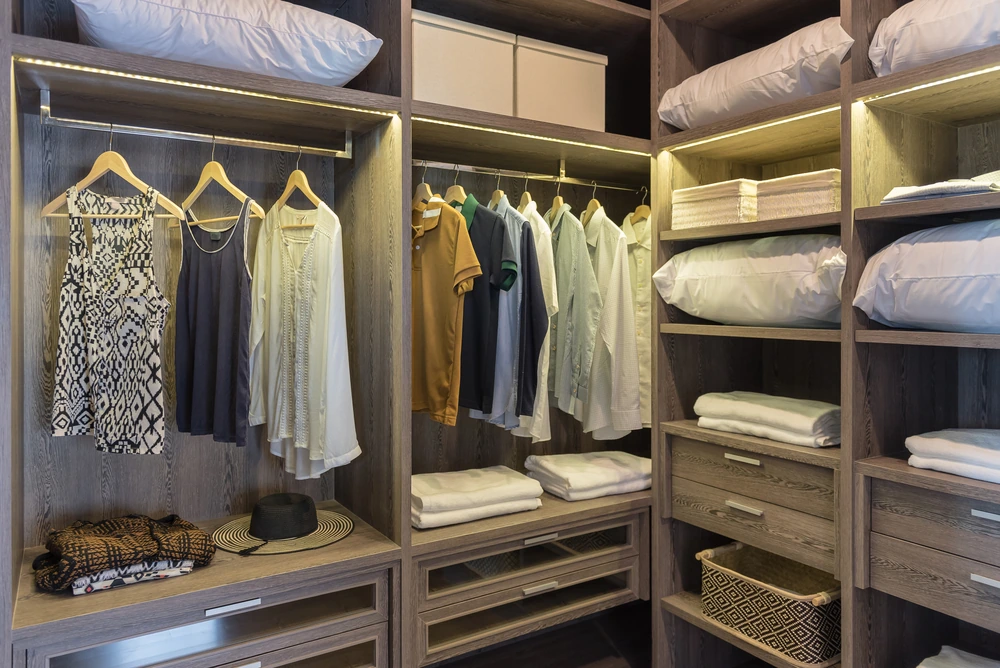
Fixing layout problems starts with understanding how the wardrobe is used and then applying storage principles that support those habits. Identifying clothing categories and the types of garments stored allows the layout to be divided into meaningful zones. By combining adjustability and personalised planning, the wardrobe can serve both daily wear and long-term storage without feeling cramped. These solutions can be applied to new builds or existing wardrobes to maximise usable area and improve order.
Zoning divides the wardrobe into logical sections that support frequency of use and prevent high-use items from becoming buried under long-term storage. Seasonal and occasional items can move upward or to less accessible areas, while daily items remain at eye level where they are easy to grab. This structure reduces clutter and ensures that categories remain separated and easy to maintain.
Zoning keeps the wardrobe organised and reduces frustration during busy mornings when time feels limited. Once zones are in place, the overall wardrobe becomes easier to maintain without constant reorganisation.
Adjustable storage extends the lifespan of the wardrobe layout by allowing components to change as clothing habits evolve. Shelves and accessory inserts that can be moved or swapped prevent the wardrobe from becoming outdated as needs shift. This eventually reduces clutter and prevents major redesigns since small adjustments can keep the layout relevant for many years.
Adjustability creates resilience in the layout and reduces long-term storage issues that come from fixed configurations. A wardrobe that adapts naturally continues to feel spacious and relevant for many years.
Planning from real use patterns prevents design decisions that look good on paper but do not support daily living. Understanding clothing categories and the types of accessories stored helps ensure the layout matches real behaviour. Wardrobe planning that follows actual habits feels comfortable to use and supports better organisation long-term.
Habit-led design keeps the wardrobe efficient and easy to maintain because it reflects real-world use rather than generic assumptions. When a layout mirrors daily behaviour, it naturally remains tidy and easy to navigate.
Wardrobes can lose enormous potential through layout problems that seem small at first but compound over time. By addressing hanging heights and shelving balance or even lighting and access and vertical zones, the wardrobe can feel larger and more supportive of daily routines. These improvements do not always require rebuilding the entire system, and in many cases simple component changes can completely transform the experience of getting dressed each day.
We see the positive impact that good layout planning provides, and we help users get more value from their wardrobes without needing extra space. Understanding real clothing habits and matching them with zoning and adjustability keeps the wardrobe relevant and neat for years. With a small amount of planning, it becomes easy to enjoy a wardrobe that feels organised and suited to the rhythm of daily life.
Here at Silva Wardrobes, we believe that you shouldn't have to compromise on quality when you’re on a budget. We offer a wide range of built in wardrobe designs in varying materials and finishes, so you can get the perfect built in or walk in wardrobe for your home no matter what the budget you're working with.
Proudly Australian owned and made. All our work is carried out locally in Sydney with only the highest level of craftsmanship and comes with a lifetime guarantee.

Contact us for a free measure and quote in the Sydney metropolitan area. We send out a qualified tradesman, not just a salesman.

We then create all the components to your perfect built in wardrobe to exact specifications using only the highest quality materials

A wardrobe technician will then deliver and install your wardrobe ensuring you are 100% happy with the job before they leave.


